Lactic Acid
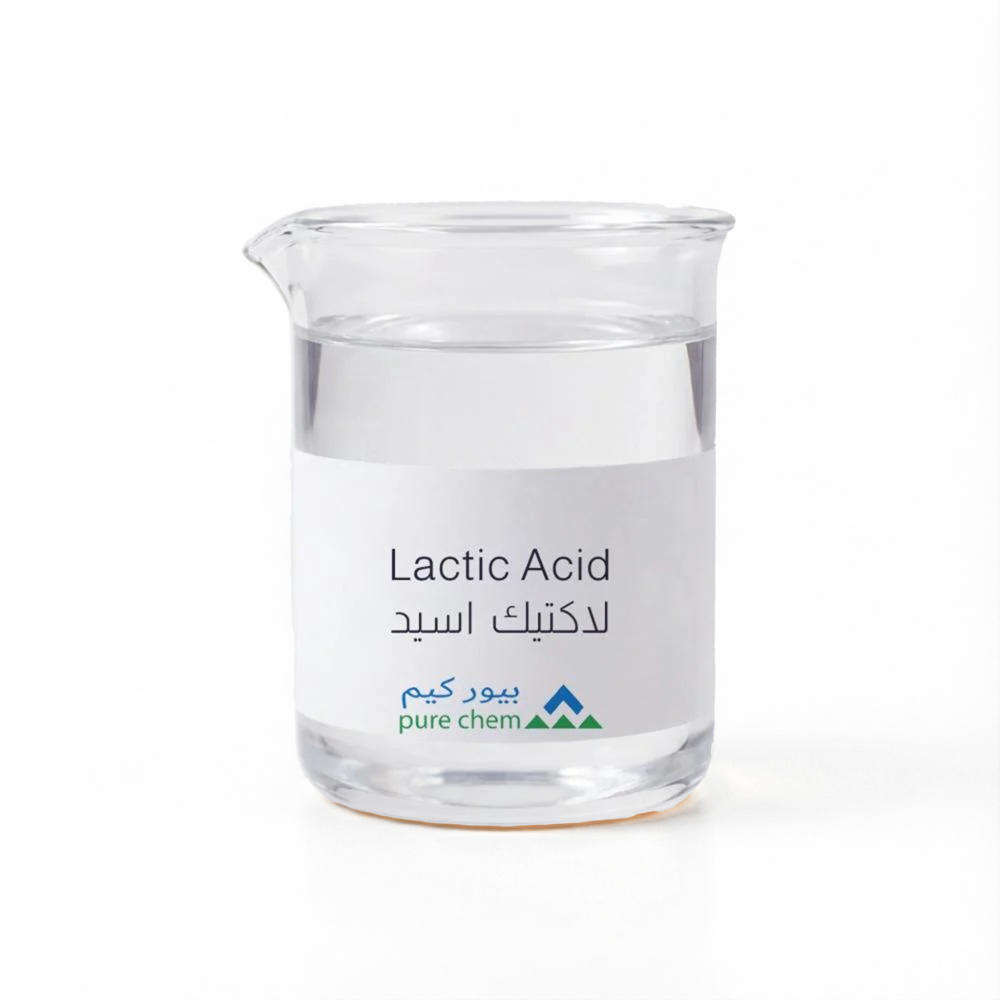
It is an alpha hydroxy acid (AHA) widely used in cosmetics for pH regulation and cosmetically improving the overall appearance of the skin. It is typically a colorless to light yellow liquid, soluble in water, and may be of biotechnology origin.
In cosmetic formulations, lactic acid acts as a key pH regulator and, when used in carefully measured proportions, contributes to improved skin smoothness and a more even complexion. It is relatively gentle compared to some other AHAs and is suitable for water-based and daily skincare products when used at the recommended concentrations.
Benefits
- Regulating and controlling pH values in cosmetic products
- Improving the appearance, smoothness, and texture of the skin (cosmetically).
- It supports a hydrated appearance and skin comfort.
- Suitable for dry and normal skin when formulated correctly.
- Compatible with ingredients such as glycerin, niacinamide (within a suitable pH), and panthenol
How to use
- Manufacturing stage: Aqueous stage or final pH adjustment stage
- Temperature: Thermally stable and can be added to hot or cold foods.
- The recommended pH range for the final formulation: usually between 3.5 and 6 (depending on the product type).
- Stylistic notes:
- Add gradually while continuously measuring pH
- It is often used as a diluted solution to facilitate control.
- Avoid high concentrations in products intended for daily use.
Recommended ratios
- As a pH regulator: 0.05% – 0.5%
- Skin care products (cosmetic): 0.5% – 2%
- Maximum recommended for cosmetic use (EU): Up to 10% in rinse-off products, and ≤5% in leave-in products, subject to compliance with safety requirements and usage labeling.
Melting
- Water: completely soluble
- Glycolates: Soluble
- Oils: Insoluble
- Notes: For use exclusively in the aqueous phase and does not require additional solvents.
Applications
- pH toners and adjustment products
- Skin care creams and lotions
- Dry skin care products
- Face and body washes
- scalp care products
Storage
- Store in a tightly sealed, corrosion-resistant container.
- Store in a cool, dry place away from direct light.
- A stable material under suitable storage conditions
- Avoid contact with unsuitable metals
Organizational notes:
- For cosmetic use only
- Permitted under EU regulations and the Saudi Food and Drug Authority (SFDA) when adhering to the concentration, final product pH, and labeling requirements.
- It is used as a functional component and pH regulator, not as a therapeutic agent.